How AI-First SEO Works in 2026: The Essential Guide

Chad Allen • July 17, 2026

SEO didn’t “die.” But the old playbook stopped working in a new way. One day, your pages were getting clicks. The next day, an AI summary answered the question before anyone even reached your link.


That’s why AI-first SEO matters now. It helps your business show up not only in Google results, but also inside the AI answers people read in tools like Google AI Overviews, ChatGPT, Perplexity, and Bing Copilot.

This guide is written for small business owners and teams who are thinking about hiring SEO help. You’ll learn what AI-first SEO is, how AI changes the work, and what to ask for so you don’t waste your budget.

What Is AI-First SEO (In Plain English)?

Traditional SEO is about getting your pages to rank in search results. AI-first SEO is about getting your business mentioned, quoted, and trusted inside AI answers.

In 2026, many searches don’t end in a click. People get what they need from the AI summary. So the new goal isn’t just “rank #1.”


It’s also:

  • Be one of the sources the AI uses
  • Be the brand people remember and search for later
  • Make it easy for AI to understand what you do and why you’re credible

Traditional SEO vs. AI-First SEO: What’s Different?

Traditional SEO mostly focused on keywords, backlinks, and ranking positions. AI-first SEO still cares about those things, but it adds a new layer: clear answers + clear meaning. AI tools don’t “read” your site like a person. They look for content that is easy to pull into a clean, accurate answer.


That usually means:

  • Simple definitions
  • Short, direct paragraphs
  • Proof (examples, sources, data, experience)
  • Clear structure (headings, lists, tables)


If your page is vague, fluffy, or buried in long paragraphs, the AI may skip it—even if you rank well on Google.

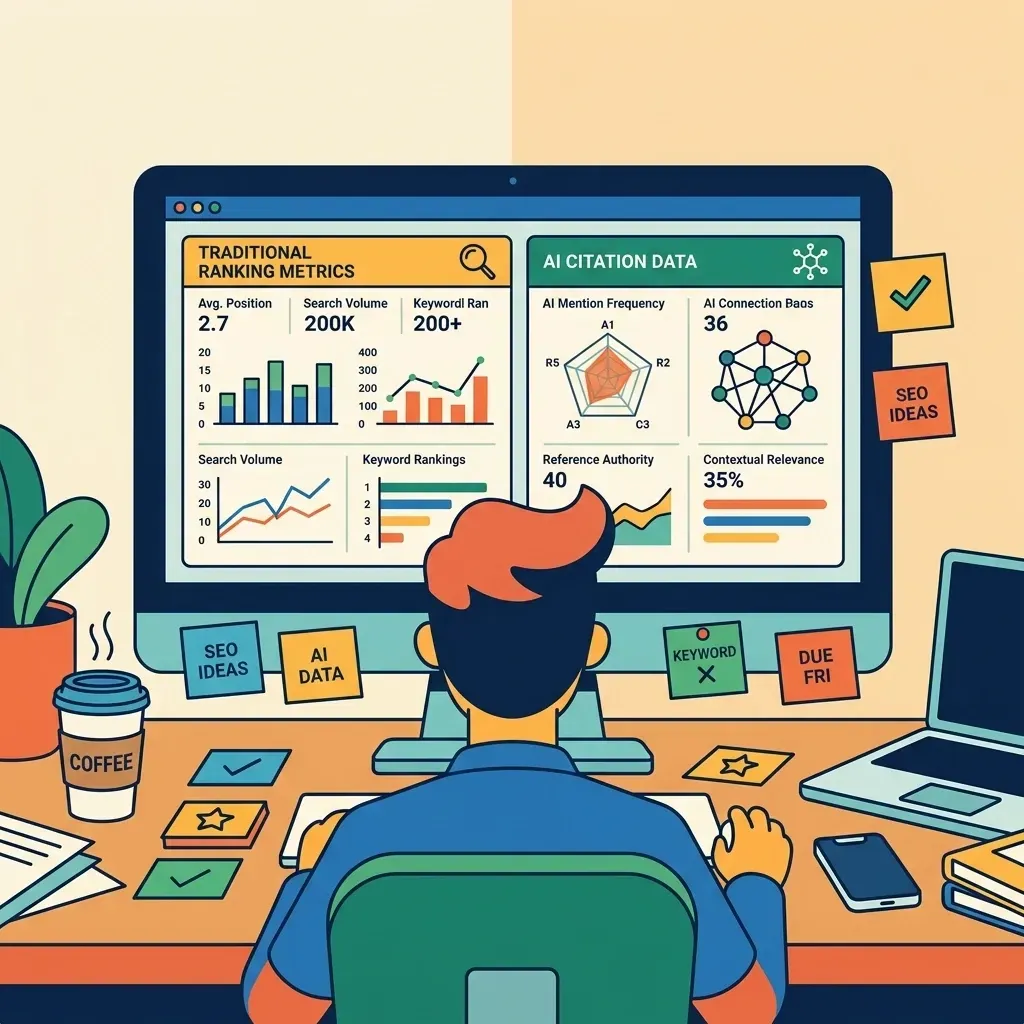
Person at desk viewing colorful analytics dashboard on a large monitor in a modern workspace

How AI Plays a Role in SEO (And Where It Helps Small Businesses)

AI is now part of SEO in two big ways:


1) AI changes how customers search

People ask full questions in AI tools and get answers right away. That means your site must be written so it can be “pulled into” an answer.


2) AI changes how SEO work gets done

Good SEO teams use AI to move faster and spot patterns. But they still need humans for strategy, truth-checking, and voice.

The Metrics That Matter for AI SEO in 2026 (Especially for Small Businesses)

Rankings still matter. But they don’t tell the full story anymore.


Beyond Rankings: What to Track

  • AI citations and mentions: Are AI platforms referencing your pages?
  • Branded search growth: Are more people searching your business name after you publish?
  • Leads from organic: Calls, form fills, bookings, demo requests
  • Assisted conversions: Did organic content start the journey, even if it didn’t get the last click?
  • Content freshness: Are your main pages updated when facts change?


A Practical Metrics Framework

Focus on five categories: traditional rankings, AI citation frequency, organic traffic (including AI-referred visits), content refresh velocity (how quickly you update key pages), and pipeline impact (leads and revenue tied to organic channels).


If tracking all of this feels like a lot, that’s normal. Many small businesses do better with a partner who can pull insights from Search Console and Analytics and match them with AI visibility signals. You can explore Throttle Throttle Digital's affordable SEO packages to see what that looks like in practice

Common AI-First SEO Mistakes (And How Small Businesses Can Avoid Them)

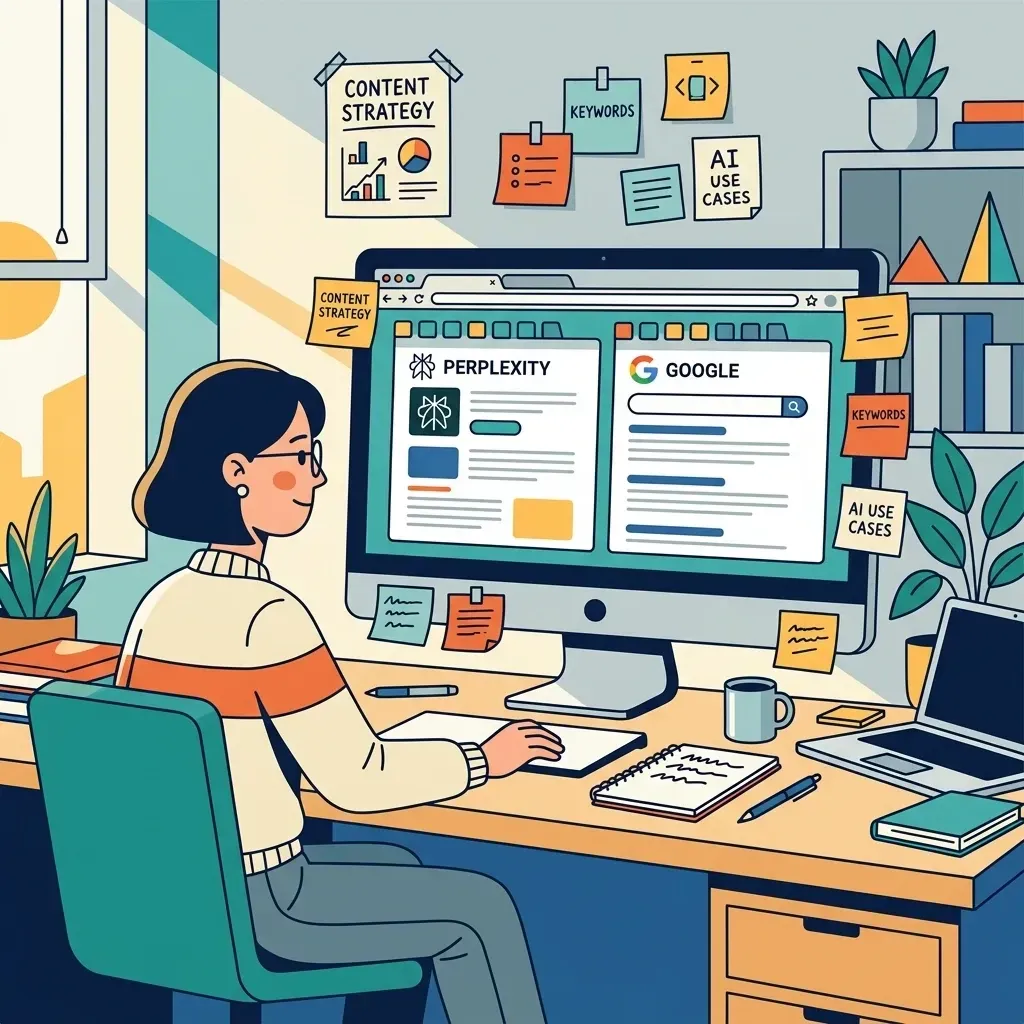
Person working at a desk with a large desktop monitor in a colorful home office, surrounded by sticky notes and plants

These mistakes are common, and they can waste time and money.

  1. Publishing AI content without editing
    AI drafts can sound fine but still be wrong, repetitive, or off-brand. If you publish it as-is, you can lose trust fast.
  2. Only optimizing for Google
    If your audience uses AI tools, you want visibility there too. That also means making sure your site isn’t blocking important crawlers by accident.
  3. Weak trust signals
    AI tools often prefer content that shows real expertise. Clear authorship, real experience, and reliable sourcing can be the difference between being cited or ignored.
  4. Doing “AI SEO” with no business goal
    Small businesses can’t afford busywork. Every piece of content should connect to leads, sales, or strong customer intent.

Frequently Asked Questions

  • Does AI-first SEO replace regular SEO?

    No. It builds on it. You still need strong technical SEO and helpful content. AI-first SEO adds extra focus on being easy to understand, easy to cite, and trusted across more than one platform.

  • Can a small business compete in AI-first SEO?

    Absolutely. Small businesses can win by being specific, local, and clear. Real examples, clear service pages, and helpful FAQ content can outperform big brands that publish generic content.

  • What content types get cited most often?

    As of the summer of 2026, helpful “reference” content does well: checklists, templates, glossaries, comparison tables, step-by-step guides, and original insights from real work.

Make AI-First SEO Your Competitive Advantage

AI is changing where people get answers. That can feel scary. But it’s also an opportunity—especially for small businesses that can move fast and speak clearly to a real customer need.


Start simple: fix your most important pages first. Make them easy to scan, easy to trust, and easy for AI tools to understand.


If you’d rather move faster with expert support, Throttle Digital's team helps turn AI-first SEO into measurable growth. Check out our SEO pricing and packages to find a plan that fits your business.

Recent Posts

People opening a local brews and books shop on a colorful street, with pedestrians and a dog nearby.
By Chad Allen July 15, 2026
Local SEO services can make or break a small business. But many owners don’t think about them until sales slow down. They’ll spend weeks picking the perfect sign for their storefront. Then they wonder why no one is calling, clicking, or walking in. Here’s the truth: the gap between “open for business” and “showing up when people search” is where leads (and money) quietly slip away. People are already looking for what you sell. Local SEO helps you get in front of them at the exact moment they’re ready to buy.  This guide breaks down the local SEO services your small business actually needs, what to prioritize first, and how working with Throttle Digital can turn more searches into real calls, appointments, and revenue.