Local SEO Services: The Essential Growth Guide
Local SEO services can make or break a small business. But many owners don’t think about them until sales slow down. They’ll spend weeks picking the perfect sign for their storefront. Then they wonder why no one is calling, clicking, or walking in.
Here’s the truth: the gap between “open for business” and “showing up when people search” is where leads (and money) quietly slip away. People are already looking for what you sell. Local SEO helps you get in front of them at the exact moment they’re ready to buy.
This guide breaks down the local SEO services your small business actually needs, what to prioritize first, and how working with Throttle Digital can turn more searches into real calls, appointments, and revenue.
Local SEO Services That Actually Move the Needle
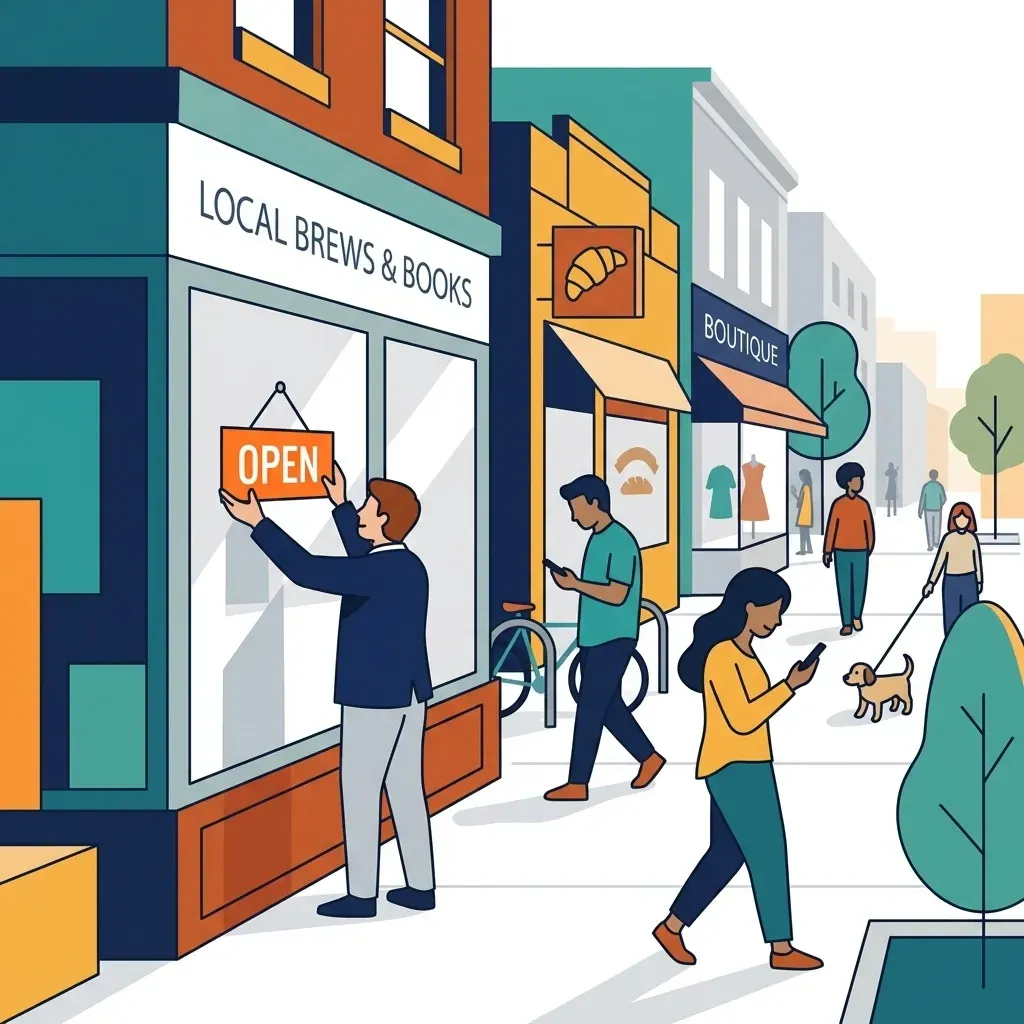
Small businesses don’t need “more marketing.” They need the right fixes in the right order. The goal is simple: show up when local customers search, earn their trust fast, and make it easy for them to contact you.
Below are the local SEO services that usually create the biggest lift in visibility, leads, and revenue.
Google Business Profile Optimization
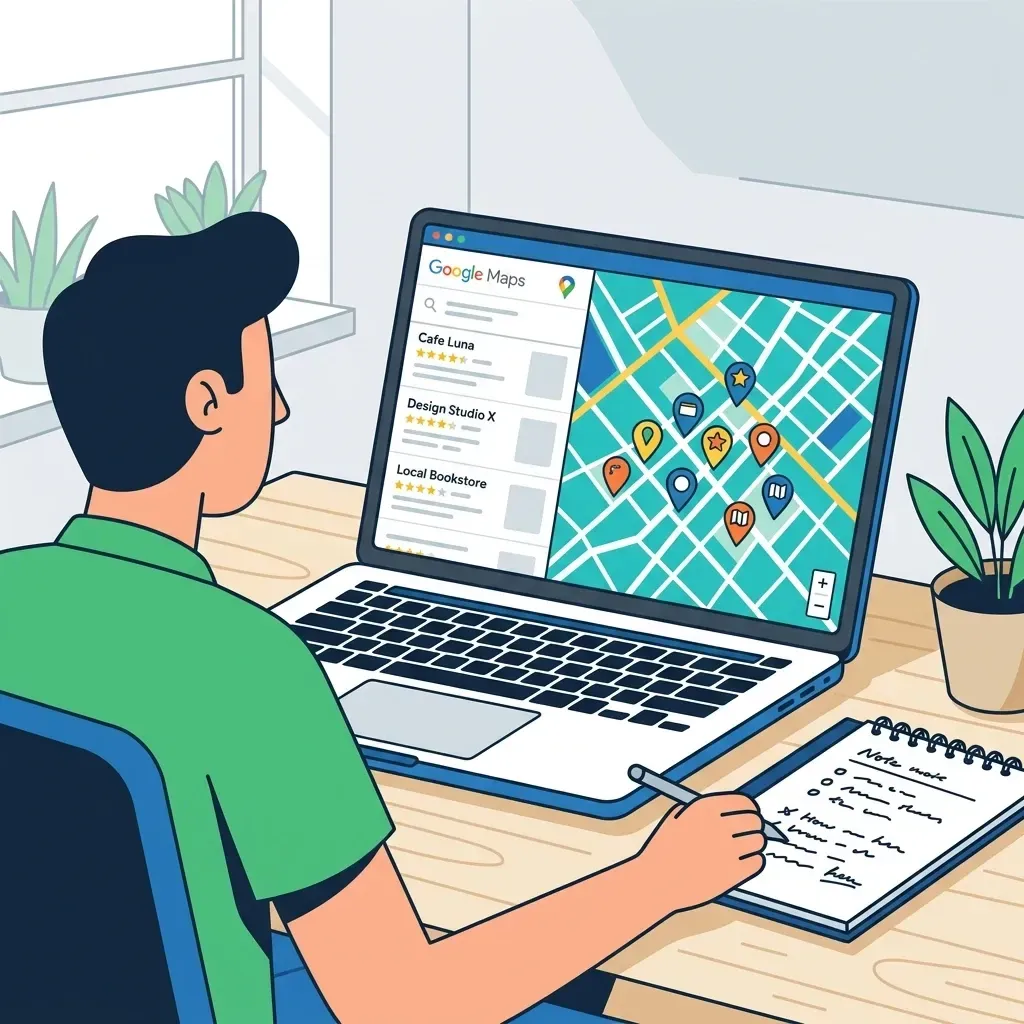
If you do nothing else, do this. Your Google Business Profile (GBP) is often the first thing customers see. It shows up in the map results, “near me” searches, and the big business box on Google.
What your customers need: Clear info they can trust. The right services listed. Great photos. Quick answers. And a reason to choose you.
A strong GBP includes correct categories, a keyword-friendly business description, updated hours, service details, and steady photo uploads. It also means responding to every review (yes, even the tough ones) within 48 hours.
How Throttle Digital helps: They focus on the real drivers inside your GBP, not just “filling it out.” That means cleaning up wrong details, building a profile that matches what people search for, and setting up ongoing updates that keep you active in Google’s eyes.
Why Does Citation Building Still Matter?
Citations are online mentions of your business name, address, and phone number (NAP) on places like Yelp, Yellow Pages, and niche directories.
What your customers need: To find the same phone number and address everywhere. No dead listings. No old locations. No confusion.
Consistency matters because it builds trust with Google and with real people. A single wrong phone number can cost you calls. A mismatched address can lead to bad reviews like “I drove there and they weren’t open.”
How Throttle Digital helps: They can run a citation audit, fix incorrect listings, and build the right set of directory placements so your business looks legitimate and consistent across the web.
Local Keyword Research and On-Page SEO
Local SEO keyword research isn’t about chasing big national terms. It’s about understanding how people in your area search.
What your customers need: A page that matches what they typed into Google. And answers that help them decide fast.
Strong local on-page SEO includes location-based title tags and meta descriptions, service pages that match real search intent, and dedicated pages for the areas you serve. If you serve five towns, one generic homepage usually won’t win in all five.
Pair it with: Schema markup for local business. It helps search engines understand your location, hours, services, and reviews.
- How Throttle Digital helps: They map keywords to real pages, improve content so it’s clear and useful, and build a structure that helps you rank across multiple services and service areas (without making your site feel spammy).
How AI Plays a Role in SEO (And Where It Helps Small Businesses)
Review Generation and Reputation Management
Reviews are today’s word-of-mouth. They impact rankings, but more importantly, they impact decisions. Many customers won’t call until they feel safe choosing you.
What your customers need: Proof you do good work. Recent reviews. And a business owner who responds and cares.
Here’s the part most people miss: volume usually matters more than perfection. A business with 200 reviews and a 4.3 rating often beats a business with 15 reviews and a 5.0. Customers want to see patterns and recency.
The best review systems make it easy. Send a direct link by text or email soon after a job is done. Keep it short. Keep it human.
How Throttle Digital helps: They can help you set up a review strategy that fits your workflow, builds steady review growth, and supports both rankings and conversions.
Local Link Building
Local links still matter a lot, but the quality has to be real. Random directory links don’t move the needle like they used to.
What your customers need: To see your business connected to real local organizations. It builds trust fast.
Focus on links from chambers of commerce, neighborhood sites, local news, event sponsorships, and partnerships with nearby businesses. One strong local link can beat dozens of low-value ones.
How Throttle Digital helps: They can guide outreach and link opportunities that make sense for your community and industry, so you earn links that actually support rankings and credibility.
Content Marketing with Local Intent
Some local blog content gets traffic but no sales. The best content answers questions from people who are close to buying.
What your customers need: Helpful answers that feel specific to their situation and their location.
For example, “10 fun things to do in [city]” might get clicks. But “How much does a water heater replacement cost in [city]?” is more likely to get calls.
How Throttle Digital helps: They can build content around the questions your customers ask before they hire someone, so your website brings in leads, not just visitors.
What Should You Actually Budget?
Most small businesses spend between $500 and $2,000 per month on local SEO services. The right budget depends on how competitive your area is and how many locations or service areas you want to win.
What small business owners really need: Clear work, clear priorities, and clear proof it’s working.
The best question isn’t “what does it cost?” It’s “what are we doing each month to increase visibility, leads, and revenue?” A transparent provider should show you exactly what your investment covers.
Look for affordable SEO packages with clear pricing breakdowns instead of vague retainers with no real plan behind them.
And be cautious with extremely low prices. A $200/month “full local SEO” plan often means automated tools, minimal work, and templated reports that don’t change your outcomes.

Tracking What Actually Matters
Rankings can be interesting, but they don’t pay the bills. What matters is whether SEO is creating real customer actions.
What you want to see improving: Google Business Profile views and actions (calls, direction requests, website clicks), organic traffic from local searches, and conversion rates on service and location pages.
Google Search Console and Analytics can also show if growth is real or just seasonal. Providers who anchor strategies in real performance data are usually the ones who drive steady, long-term gains.
How Throttle Digital helps: They focus on results you can feel (more calls, better leads, stronger visibility), and connect the work to performance instead of sending reports that don’t explain what changed.
Frequently Asked Questions
How long does it typically take to see results from local SEO services?
It depends on your starting point and your competition. Many businesses see early movement in 4 to 12 weeks. Bigger lead and revenue gains often take 3 to 6 months of steady work.
What should I prepare before starting with a local SEO provider?
Have access ready for your Google Business Profile, website CMS, Google Analytics, and Google Search Console. Also share your service areas, top services, and any past SEO work so nothing gets repeated.
How do I handle duplicate listings or old addresses online?
Create one “master” version of your correct business name, address, phone number, and website. Then find duplicates and request removals or merges. Fix major platforms first, especially the ones that feed data to other sites.
Should service-area businesses hide their address on Google Business Profile?
If you don’t serve customers at a physical location, hiding the address can reduce confusion. If customers visit a staffed location, keeping your address visible usually helps trust and navigation.
How can multi-location businesses structure local SEO without cannibalizing rankings?
Give each location its own page with unique details like services, staff, FAQs, and directions. Keep branding consistent, but don’t copy and paste the same text across locations.
What is the difference between local SEO and running Google Ads for local searches?
Local SEO builds unpaid visibility that grows over time. Ads can bring traffic fast, but only while you keep paying. Many small businesses use both: ads for quick wins, SEO for long-term lower-cost leads.
How do I evaluate local SEO reporting to know if it is working?
Ask for reporting tied to outcomes like calls, form submissions, bookings, and direction requests. You should also see what work was done and how that work impacted leads, not just keyword charts.
Your Next Move for Local Growth
Local SEO services aren’t a one-time project. They’re a practical system for getting found by people who already want what you offer. Start with the basics that remove friction (GBP optimization, correct listings, strong on-page SEO). Then build momentum with reviews, links, and local content that earns trust.
If your biggest need is simple—more visibility, more leads, and more revenue without guessing, reach out to Throttle Digital today. You’ll get direct access to senior SEO experts who focus on clear execution and measurable growth, not empty promises.
Recent Posts